



beizlinie tandem-kaltwalzwerk
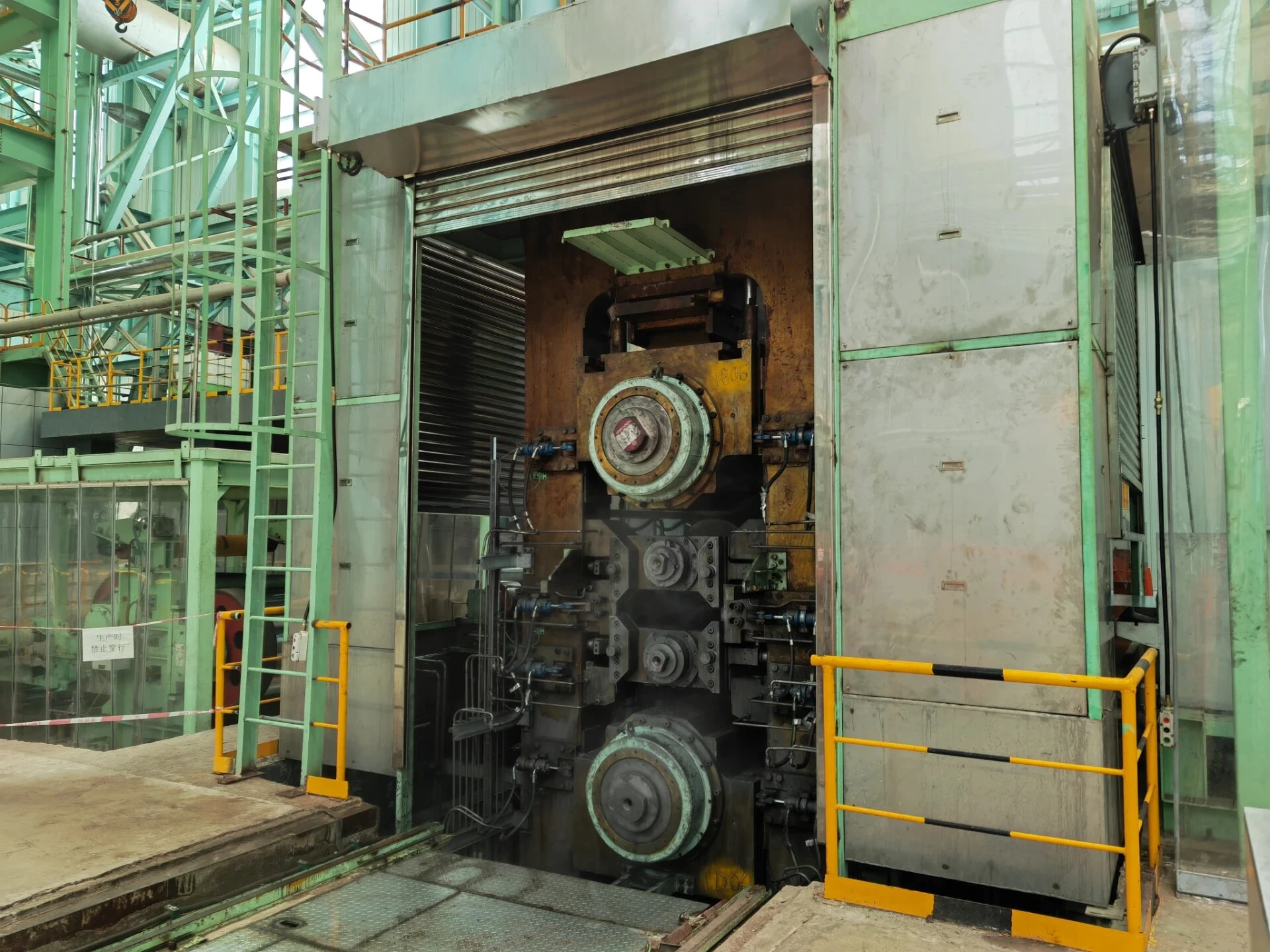
The tandem cold mill is a critical component in modern steel production, enabling the high-volume manufacturing of precision steel coils with consistent thickness and superior surface quality. This process involves passing metal strips through multiple rolling stands in succession, each applying controlled pressure to reduce thickness and enhance mechanical properties. Unlike single-stand mills, the tandem rolling mill process ensures continuous deformation, improving efficiency and product uniformity. The Role of the Pickle Line in Tandem Cold Mill Operations Before steel coils enter the tandem cold mill , they must undergo pre-treatment to remove surface oxides and scale. This is where the pickle line tandem cold mill integration becomes essential. The pickling line and tandem cold mill work in tandem (no pun intended) to prepare the steel for cold reduction. The pickling line uses hydrochloric or sulfuric acid to cleanse hot-rolled coils, ensuring a smooth, oxide-free surface. This step is crucial because any residual scale could lead to defects during cold rolling. Once pickled, the steel is fed directly into the tandem mill rolling stands, where it undergoes progressive thickness reduction. Modern systems often combine the pickle line and tandem cold mill into a single continuous line, minimizing handling and improving production speed. This seamless transition between pickling and rolling enhances efficiency, making it ideal for high-volume manufacturing. The Tandem Cold Mill Process: Precision and Efficiency The tandem cold mill process consists of multiple rolling stands arranged in series, each contributing to incremental thickness reduction. A typical setup includes four to seven stands, with each stand applying precise rolling forces to achieve the desired gauge. Entry Section: The pickled coil is fed into the first stand, where initial thickness reduction occurs. Intermediate Stands: Subsequent stands apply further reductions while maintaining strip tension to prevent buckling or stretching. Finishing Stands: The final stand ensures the exact thickness and surface finish required for the end product. One of the key advantages of the tandem rolling mill process is its ability to maintain tight tolerances—often within microns—across the entire coil length. Advanced automation systems monitor roll force, tension, and speed in real time, adjusting parameters dynamically to ensure uniformity. Advantages of Tandem Rolling Mills in High-Volume Production The tandem cold mill is designed for mass production, offering several benefits over traditional single-stand rolling: Higher Throughput: Continuous processing eliminates the need for intermediate recoiling, significantly increasing production rates. Superior Flatness and Surface Quality: Multiple stands allow for gradual deformation, reducing stress and improving material properties. Energy Efficiency: Modern tandem mills incorporate regenerative braking and optimized power distribution, lowering energy consumption. Flexibility in Product Grades: The same mill can process various steel grades, from low-carbon to high-strength alloys, by adjusting rolling parameters. These advantages make tandem cold rolling indispensable for automotive, appliance, and construction industries, where high-strength, precision-grade steel is in constant demand. Tandem Rolling Mills Integration of Automation and Smart Technologies Recent advancements in tandem mill rolling have introduced AI-driven control systems and predictive maintenance tools. Sensors embedded along the mill track strip thickness, tension, and temperature, feeding data to centralized control units. Machine learning algorithms optimize rolling schedules, reducing material waste and downtime. Additionally, digital twin technology allows operators to simulate the tandem cold mill process before actual production, identifying potential issues and refining parameters for optimal performance. The tandem cold mill remains a cornerstone of high-volume, high-precision steel production. Its integration with pickle lines , continuous processing capabilities, and advancements in automation ensure its dominance in the metals industry. As demand for ultra-thin, high-strength coils grows, further innovations in tandem rolling mill technology will continue to drive efficiency and quality to new heights. By leveraging the full potential of the tandem cold mill process , manufacturers can meet the stringent requirements of modern applications while maintaining cost-effectiveness and sustainability. The future of coil production lies in smarter, faster, and more precise tandem rolling mills .

We have successfully executed over 500
projects around the world,
many first-of-their-kind
research projects and products in China, including
We have successfully executed over 500
projects around the world,
many first-of-their-kind
research projects and products in China, including
-
2004
The 1st hydraulic AGC system for hot rolling of ribbon steel
-
2006
The 1st AFC system used for 1450mm skin pass mill
-
2009
The 1st 5-stand tandem line with 2-stand POR & Uncoiler for 650mm ribbon steel
-
2012
The 1st reversing mill for 1380mm strip
-
2016
The 1st soft-rolling system used in skin pass mill
-
2019
The 1st fully automated medium-width tandem cold rolling mill
-
2021
The 1st 5000KN Twin-stand double skin pass mill
-
2022
The 1st coupled pickling line & tandem cold mill with two modes - big roller & small roller

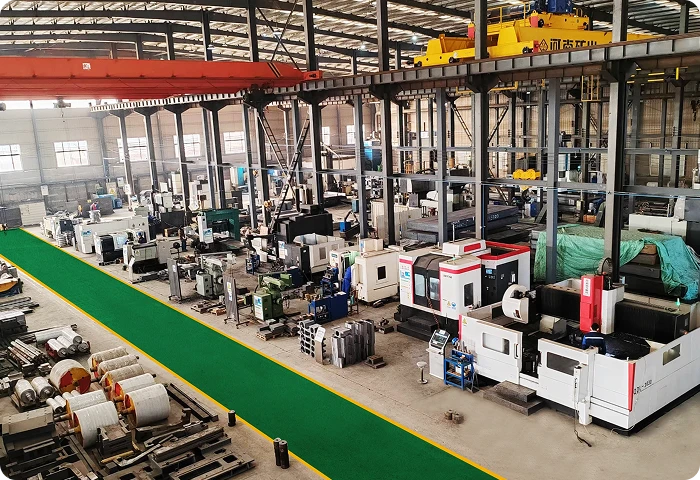
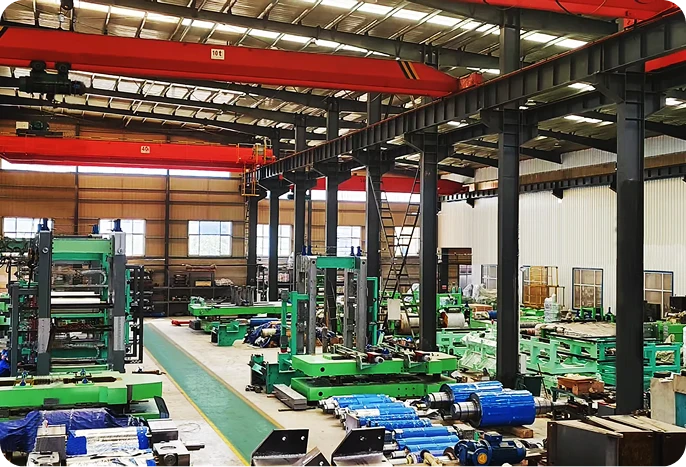
Yang Wang Li Xin operates a state-of-the-art facility over 66,000 square meters,and our manufacturing facility is fully equipped with high-tech machinery and high-capacity cranes. This enables us to handle large work pieces measuring 4.5m in width, 10m in length, and 1.5m in height, guaranteeing our capacity to produce 1800mm skin-pass mills and 1450mm rolling mills. The individual piece can weigh up to 100 tons.


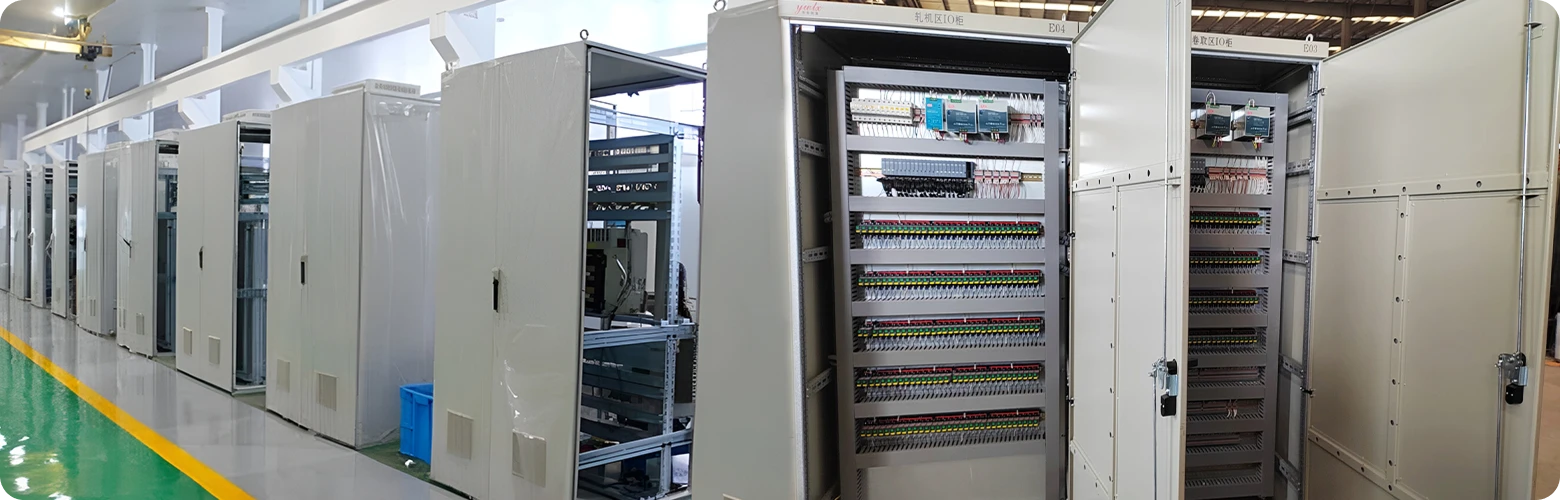
Quality is fundamental to the enterprise survival. We have established a comprehensive and meticulous quality management system and have successfully obtained ISO14000 certification. Starting from the design source, it supervises the entire production cycle, including design, procurement, processing, assembly, in-factory testing, installation, and online commissioning. The workshop is equipped with measuring tools like vernier calipers, spectrometers, hardness testers, and ultrasonic flaw detectors. They are used to check materials and control tolerances to ensure the final equipment meets or exceeds requirements. All products have a unique code, This enables the easy identification and traceability of the equipment components and ensures full control of quality.


-
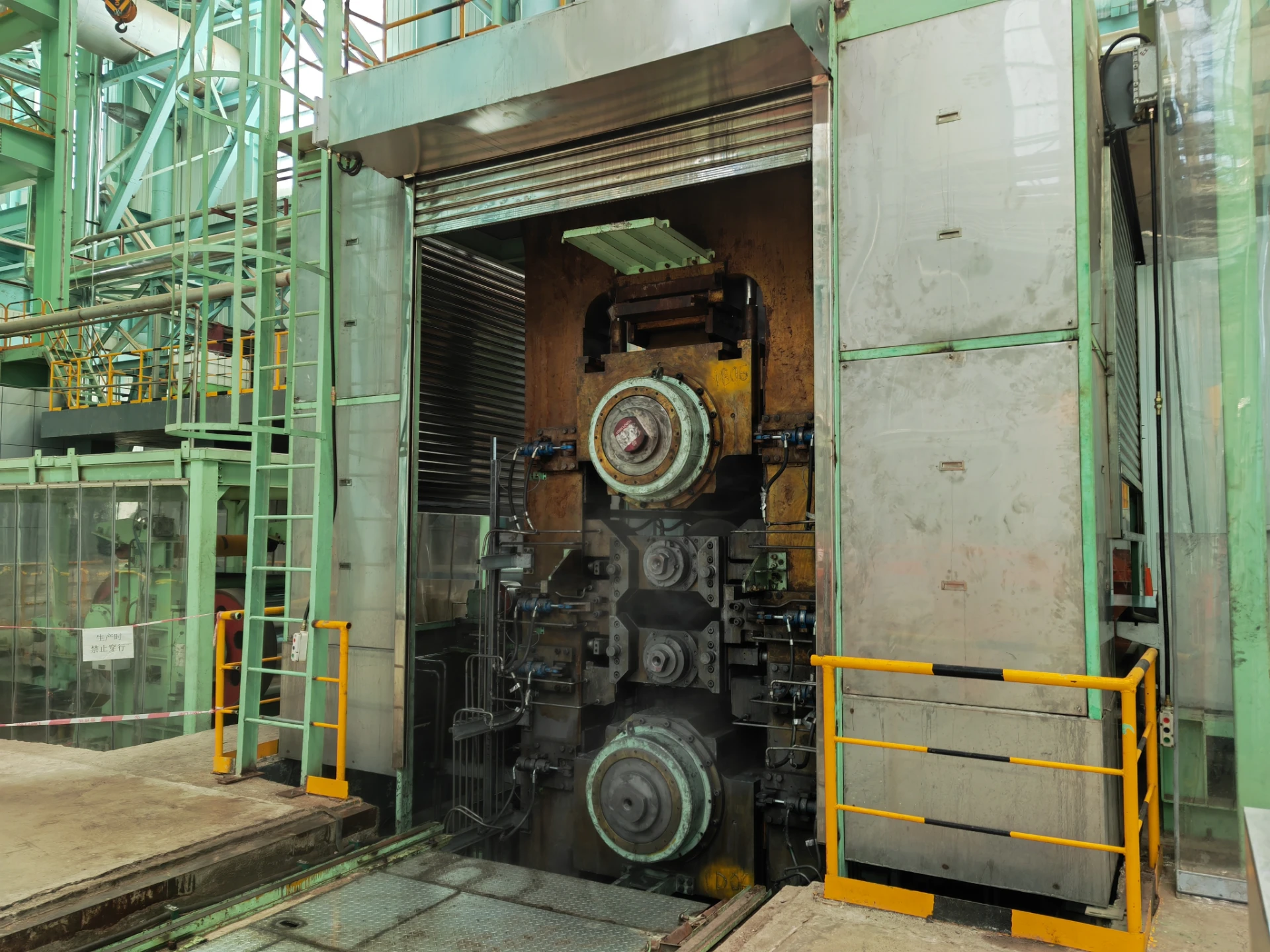 Roll Design Considerations for 4 Hi Reversible Cold Rolling MillIn the steel processing industry, especially for products like automobile steel, plates, strips, and coils, the design of rolls for 4hi reversible cold rolling mill and 6 hi reversing cold rolling mill is of paramount importance. Yang Wang Li Xin (YWLX), with its expertise and mature product lines, has been a significant contributor in this field. Roll Material Selection for 4hi Reversible Cold Ro
 -
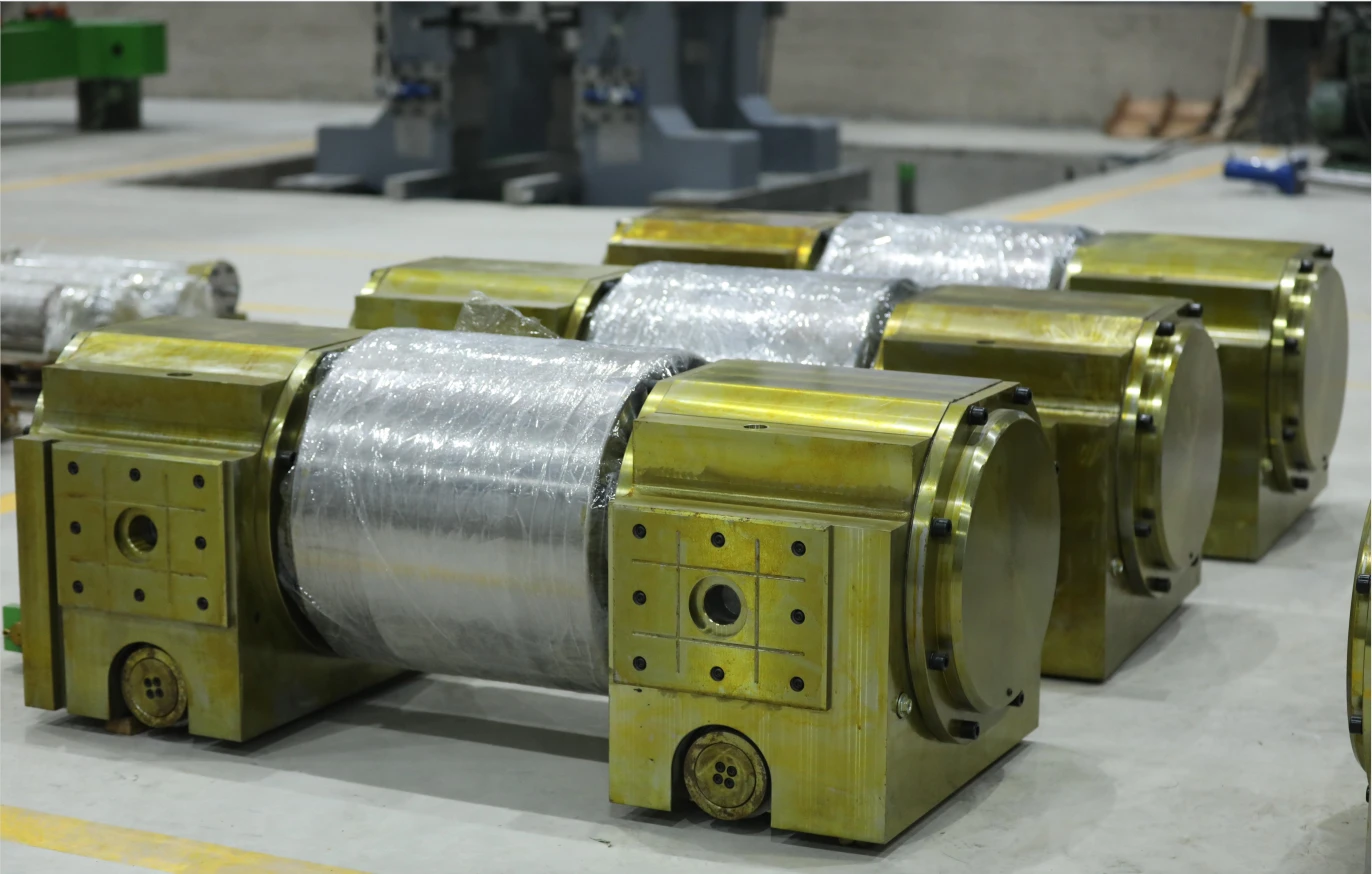 round bar rolling machineNavigating the intricate world of metal fabrication, the round bar rolling machine stands out as an indispensable asset in modern manufacturing processes. This sophisticated piece of equipment transforms raw material into precise cylindrical shapes with unparalleled efficiency and precision. As industries lean more towards automation and accuracy, understanding the functionality, advantages, and m
 -
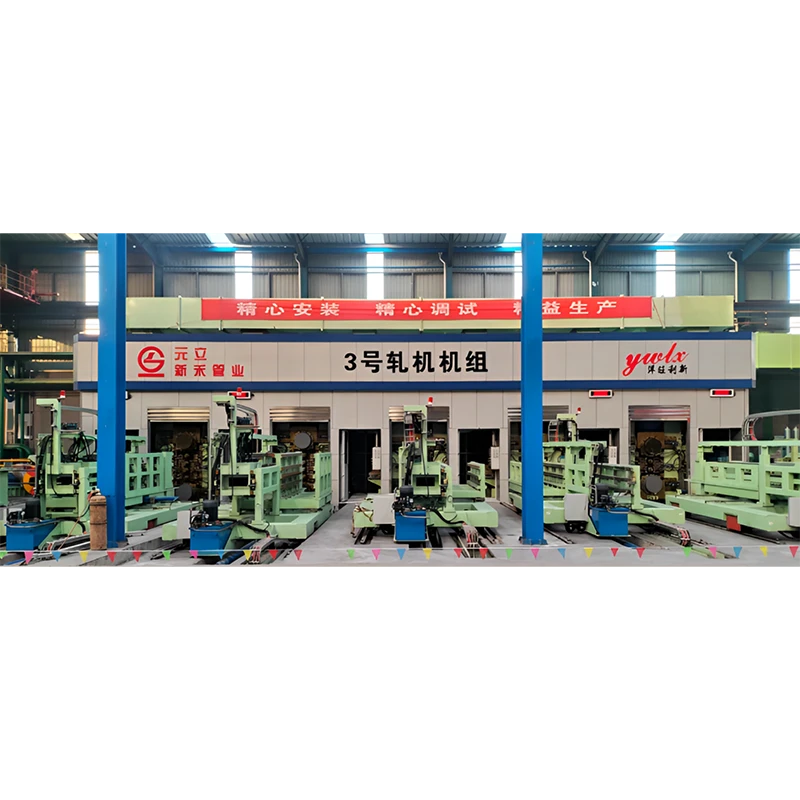 processo di laminazione a freddoCold Rolling Process An In-Depth Look Cold rolling is a critical manufacturing process widely utilized in various industries to create materials with specific properties and dimensions. This process involves the deformation of metal at room temperature, which distinguishes it from hot rolling, where the metal is heated above its recrystallization temperature. Cold rolling not only enhances the mec


